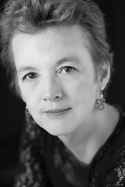
Laura Bridgman began her Dhamma practice in her early teens, and eventually ordained as a nun with Ajahn Sumedho in 1995. She was resident at Amaravati and Chithurst monasteries for eighteen years until moving out to live as a solitary nun in 2010. She has spent extended periods of time with the Burmese teacher Sayadaw U Tejaniya. In 2015 Laura left the monastic tradition to pursue the Diamond Heart (Ridhwan) spiritual path alongside her Vipassana practice. There is much over-lap as it incorporates Buddhist principles and practices.
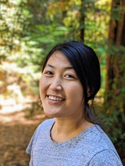
Leela Sarti has been a student of the Buddha's teachings and practices since she was 16 years old. She lives with her family in Sweden and in addition to teaching Insight Meditation retreats internationally works individually with students in her psychotherapy practice in Stockholm. She is a long term student of the Diamond Approach and part of a teacher training program in that tradition.
Leigh Brasington studied the jhanas with the late Ven. Ayya Khema, who authorized him to teach retreats on the jhanas. He was also empowered to teach by Jack Kornfield. He teaches numerous jhana retreats throughout the year, at venues that include Cloud Mountain, Barre Center for Buddhist Studies, Gaia House, Vallecitos, and Southern Dharma.
Booker is a heart - centered, spirit - driven lover of liberation and meditation teacher committed to creating a culture of belonging through her teaching and writing. She completed Spirit Rock’s 4 year Retreat Teacher Training in 2020, and shared the practices of yoga and mindfulness with New York City’s most vulnerable populations for over a decade. Booker has co - authored and contributed to several publications including the trauma - informed anthology Practicing Liberation and its accompanying workbook, for folks working towards social justice. She is a co-founder of the Yoga Service Council at Omega Institute and the Meditation Working Group of Occupy Wall Street. In 2020 she was invited to be a Sojourner Truth Leadership Fellow through Auburn Seminary and was voted by her peers as one of the 12 Powerful Women in the Mindfulness Movement. Booker moved to Philadelphia in August of 2020 to vote in a swing state, and currently serves as the Guiding Teacher of New York Insight.
Lienchi Tran was raised in a Buddhist family and began practicing meditation in 1984. With deep dedication to the path, she ordained and trained extensively, drawing wisdom from the teachings of Sayadaw U Tejaniya, her primary teacher. Her approach to meditation emphasizes intuitive awareness, practical insight, and compassionate understanding. Today, she shares the Dharma through retreats and teachings, helping others cultivate mindfulness and wisdom in daily life.
Kate Lila Wheeler began teaching meditation in the mid-1980s and continues to practice with teachers in Theravada and Tibetan Buddhist lineages. Writing is an important part of her life; she has recently completed a second novel.
Liz Powell has been practicing Vipassana meditation since 2004. Liz takes joy in teaching IMC's Eightfold Path Program online, the weekday Happy Hour brahmavihara practice, and the Thursday night online sitting, as well as classes in Mindfulness and other dharma fundamentals. She loves teaching retreats as well as sitting them. A 2025 graduate of the IMC (Insight Meditation Center) Dharma Teacher Training with Gil Fronsdal and Andrea Fella, as well as their Dharma Mentoring and Local Dharma Leadership Programs (a total of 8 years of formal training), Liz also completed the Dedicated Practitioners and Advanced Practitioners Programs at Spirit Rock. She co-led programs at IMC for children, families and parents for a decade, as well as offering Introduction to Meditation, half-day and daylong retreats for adults. For a number of years she served as IMC Board President and then Managing Director of the Insight Retreat Center in Santa Cruz, California.