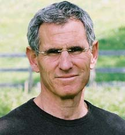
Wisdom and compassion are two themes that inform my current exploration of the dharma, and I aspire to integrate these as fully as I can in both formal practice and daily life.
JoAnna Hardy has practiced in multiple traditions since 1999, and in 2005 her practice landed on the Theravada insight tradition. Retreat teaching, bringing the Dharma to communities and individuals who don't typically have access to traditional settings, and building multicultural community are her focus. She is a co-founder of the Meditation Coalition: meditationcoalition.org
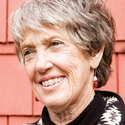
Joanna Macy, PhD is a scholar of Buddhism, systems theory and deep ecology. A respected voice in the movements for peace, justice and ecology, she gives trainings worldwide for eco-warriors and activists for global justice. As the root teacher of the Work That Reconnects, she has created a ground-breaking theoretical framework for personal and social change. Her books include "World as Lover, World as Self" and "Coming Back to Life: Practices to Reconnect Our Lives, Our World."
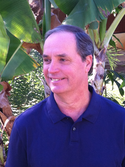
John Martin teaches Vipassana (Insight) and Metta (Loving Kindness) meditation retreats. He leads an on-going weekly Monday evening meditation group in San Francisco, and an Advanced Practitioners Program group. He serves as Co-Chair of the Guiding Teachers Committee for Spirit Rock, and serves on the Executive Committee of the Board of Directors. John is also the co-guiding teacher for the LGBTQueer Sangha at the Insight Meditation Center in Redwood City.
John is currently leading a year long Satipitthana Intensive Practice program and will be on the teaching team for the two year Spirit Rock Dedicated Practitioners Program that will begin in the Spring of 2022.
In his prior work life, John served as Airport Director of SFO for over twenty years. He had a career committed to public service.
His practice has been supported by twelve years as a hospice volunteer: including five years at Shanti Project during the AIDS crisis, and seven years with the Zen Hospice projects.
John received Theravada Buddhist ordination and training for a period of eight years while living in Thailand and India. He has been teaching meditation and leading retreats around the country since 1980. John is an Interfaith minister and teaches at Duke University. He is the guiding teacher for the New Hope Sangha in Durham, NC.
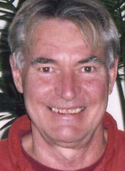
John Peacock, an academic and meditation teacher for 25 years, currently teaches Buddhist studies and Indian religions at the University of Bristol, UK. He is an Associate Director of The Oxford Mindfulness Centre, recognized by Oxford University.
After thirty-five years of experience around the dharma, with eight of these years in Asia, I am still deeply inspired, as a teacher, by students' progress with the practice. I see the questioning I do with myself reflected in others. The infinite loop of my practice and my teaching becomes a self-fulling prophecy. As I see others letting go of old baggage, it inspires me to continue questioning myself.
My teachings, for I am not a scholar, come from my experience on the pillow. In the first ten years of the practice, I worked on the pain of life, the confusion, how to gain clarity. In the next ten, I was finding balance in non-attachment; being in life, but not wanting to enter life. In the last ten, I've been learning how to engage with the stickiness of living and loving. I ask, how kind are people to each other? How can we find a place inside that is not afraid anymore?
We need to know what drives us and our minds, how to relieve the cultural anxiety all around us. We need to stop and slow down, to start feeling. But the dharma not just a stress reduction course; the teachings point directly toward the nature of human conditioning and our freedom.
Overall, my teachings are very much about self-acceptance, giving ourselves space to do the practice and find our own voice. My intention is to give people permission to listen to themselves, to become friends with themselves. Ultimately, this moment is enough, we're enough, and don't need to be anything other than we are.
Johnathan Woodside is a Dharma teacher offering instruction rooted in the Theravāda tradition of ethics, concentration, and wisdom. He has been teaching since 2011 and is the founder and guiding teacher of Mindfulness Outreach Initiative in Omaha, Nebraska, and Dallas Insight Sangha in Dallas, Texas. His teachings emphasize the direct experience of the Dharma, encouraging students to cultivate insight through dedicated practice grounded in mindfulness, introspection, and the development of liberating wisdom.