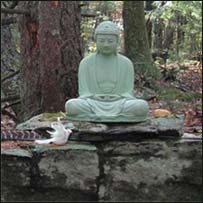
We begin with guidance to develop samadhi (concentration). About mid-way through, we move to mindfulness practice, cultivating insight, and then to two important areas of liberating insight--insight into impermanence and insight into reactivity (the most fundamental meaning of dukkha).
Observing phenomena in light of the three characteristics of existence: impermanence, unsatisfactoriness and not-self and the arising of wisdom as described by Ajahn Chah.
Readings from "Stillness Flowing" - pages 201, 373-374, 534-535
In this talk, Emily explores the Buddha’s teachings on the Liberating Insights and the Three Characteristics. She explains how suffering and impermanence shape our experience of self—sometimes making it feel solid and fixed, other times more open and fluid. By working skillfully with the hindrances, we can loosen our grip on a rigid sense of self and allow it to move with greater freedom.
Impermanence through the image of the Little Prince's rose. Is everything really dukkha just because it's transient? More on samatha & vipassanā. Stages in relinquishing reactivity. The Buddha's awakening as a discovery of secular faith, connecting impermanence to beauty & care, liberation through mettā.
Explores the Buddha’s teachings on aging, illness, death, loss, and karma—brought to life through Dharma reflections and evocative stories, inviting us to meet impermanence with wisdom, presence, and the freedom to love fully.